Sometimes, planning the lesson can be more challenging than teaching it. That was the challenge I faced this week. After spending three weeks exploring Makey Makey, I wanted to create a lesson that felt epic. Naturally, my first thoughts went to math and science, the familiar subjects where technology often feels like it belongs. But the more I reflected on this week’s readings, the more I challenged myself to ask a different question: How could I use this STEM tool to deepen learning in English Language Arts? That question ultimately led me to Sculpting Meaning, an interactive vocabulary gallery where students create physical representations of vocabulary words that come to life through Makey Makey.
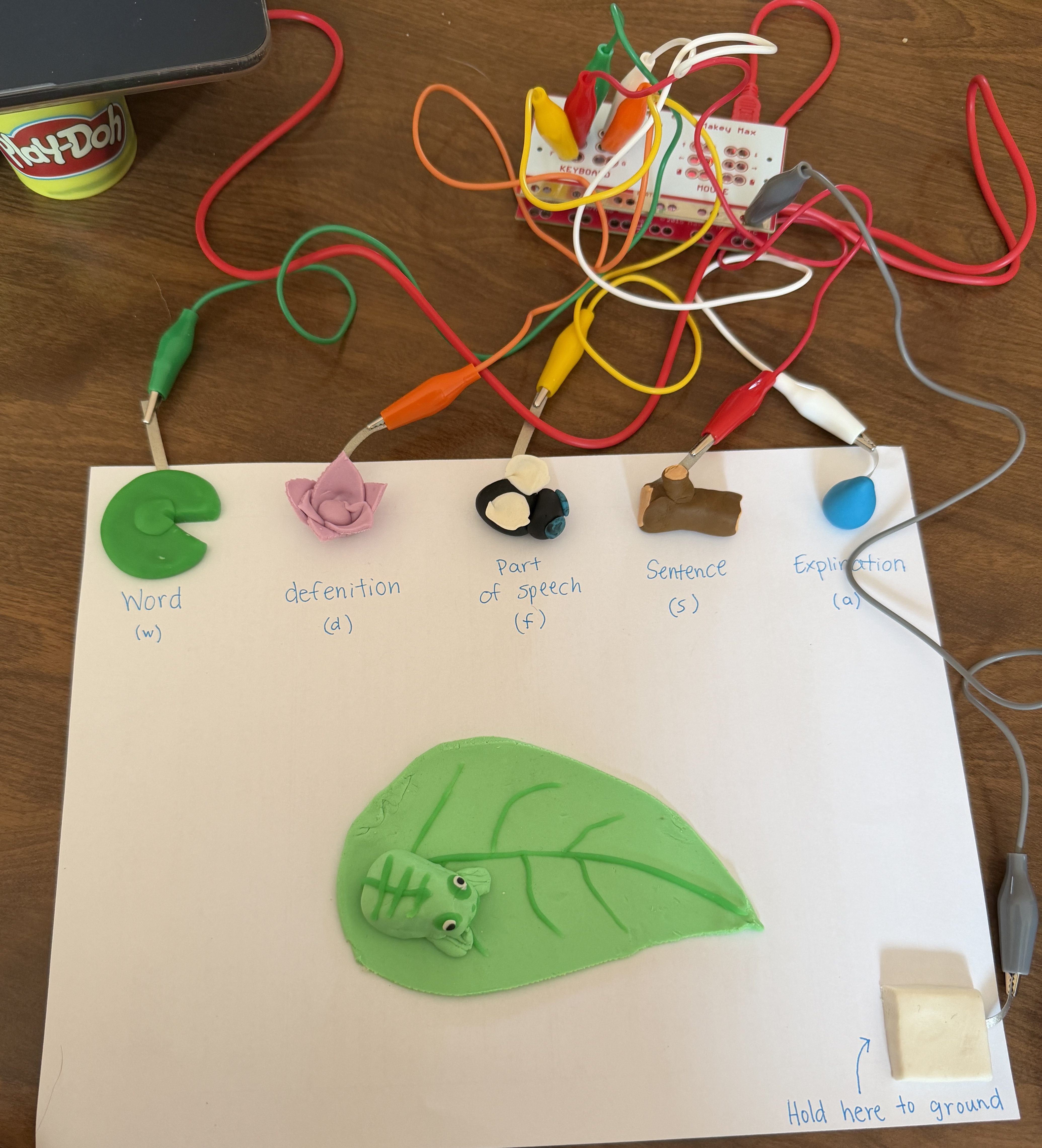
Figure 1. Prototype of the Sculpting Meaning Makey Makey vocabulary gallery.
Backward Design
As I read through Understanding by Design (Wiggins & McTighe, 2005), I found myself approaching lesson planning differently than I normally would. Instead of beginning with a fun activity or exciting technology, I started by identifying a genuine need in my classroom. My first thoughts were multiplication and the water cycle, but when I pushed myself outside my comfort zone, I realized vocabulary development is one of my students’ biggest needs.
Once I had that focus, my planning shifted. I found myself asking different questions:
- What do I want students to understand?
- What evidence would show that understanding?
- Then, where does the technology fit?
That change in thinking felt small, but it completely transformed my lesson. The technology was no longer the centerpiece. Student understanding was. It also made me wonder how often I begin planning with an activity simply because it sounds engaging instead of because it addresses a genuine learning need. I will never stop getting excited about fun activities, but I hope the learning goal always drives my design decisions.
Innovation Isn’t About New Technology
Another idea that challenged my thinking came from Eng’s (2026) discussion of withered technology. At the beginning of this course, I unconsciously viewed innovation as creating or using something brand new. I pictured flashy gadgets and the newest educational tools. This week helped me realize innovation is much less about novelty and much more about intentional design.
In my own classroom, some of my favorite technologies are far from new. I still use a CD player for listening comprehension activities and a wireless doorbell as an attention getter. These tools are not innovative on their own, but the experiences they create can be.
That realization completely changed how I viewed Makey Makey. Sculpting Meaning is not innovative because it uses Makey Makey. It’s innovative because students construct meaning by designing an interactive experience that teaches someone else. The technology simply makes that learning visible.That idea was surprisingly freeing. Instead of chasing the newest technology, I can focus on creating meaningful learning experiences, regardless of the tool.
Thinking About Access
Perhaps the biggest question I kept returning to throughout this process was: What does access really mean?
As teachers, we often focus on whether students have access to technology, but we rarely question whether they have access to the knowledge needed to use it successfully. Every year, my third graders are expected to navigate Google Workspace with very little explicit instruction. If students are spending all of their mental energy figuring out how to use a tool, they cannot fully focus on why they are using it.
This week’s discussions also reminded me that access extends far beyond devices. Prior experiences, confidence, language, disabilities, socioeconomic status, and opportunities to practice all influence how students experience technology. Two students can sit side by side with the exact same Chromebook and have completely different learning experiences.
That thinking influenced nearly every design decision I made. Should students work independently or with a partner? How much scaffolding should I provide? Would every student experience success in the same way? Designing an innovative lesson also means designing opportunities for every learner to participate meaningfully. I don’t have all the answers yet, but I do know these are questions worth asking every time I introduce a new learning experience.
Video 1. Prototype demonstration of the Sculpting Meaning vocabulary gallery in action.
In the End
The biggest thing I learned this week was not how to design a Makey Makey lesson. It was realizing that teachers do not simply design activities, we design experiences. Instructional design challenged me to begin with learning goals, Understanding by Design reminded me to plan backward from evidence of understanding, and Eng’s (2026) discussion of withered technology showed me that innovation isn’t defined by the newest tool in the room.
Looking back, I realize Sculpting Meaning is not really about Makey Makey. It’s about giving students an opportunity to build understanding, explain their thinking, and create something meaningful to teach someone else. As I continue through this course, I find myself thinking less about finding innovative technology and more about creating innovative opportunities for students to think, create, collaborate, and construct understanding. If I can do that, then the technology has already done its job.
References
Eng, D. (2026, January 13). Withered technology and games-based learning. University XP Games Based Learning.
Wiggins, G., & McTighe, J. (2005). Understanding by design. Association for Supervision & Curriculum Development (ASCD).


Leave a comment