Alexis Flanders
Welcome to Room 204
I’m a third grade teacher at Elmwood Elementary in Waverly Community Schools, where I strive to create a classroom that is welcoming, engaging, and rooted in meaningful relationships. I believe students learn best when they feel safe to take risks, embrace challenges, and celebrate both their successes and mistakes. My classroom is home to a diverse group of learners, each bringing unique strengths, experiences, and perspectives that enrich our community. Every day, we blend literacy, mathematics, science, and social studies with collaboration, creativity, technology, and hands-on learning. Whether we’re designing with LEGO robotics, diving into an interactive read-aloud, exploring force and motion at a science museum, or simply celebrating one another’s accomplishments, my goal is to help every student build confidence, curiosity, empathy, and a lifelong love of learning.
Learning in Action
I deeply value designing learning experiences that spark curiosity, foster creativity, and encourage authentic engagement. While every lesson looks a little different, each one is intentionally designed to help students become active participants in their own learning. Whether they’re building, creating, discussing, collaborating, or problem-solving, my goal is to create meaningful experiences that extend beyond worksheets and textbooks. Below are a few examples of the learning experiences that define my classroom.
Science Investigations
Students regularly investigate scientific phenomena through hands-on experiments that encourage observation, questioning, and evidence-based reasoning. These activities transform abstract science concepts into authentic discoveries while strengthening collaboration and critical thinking.
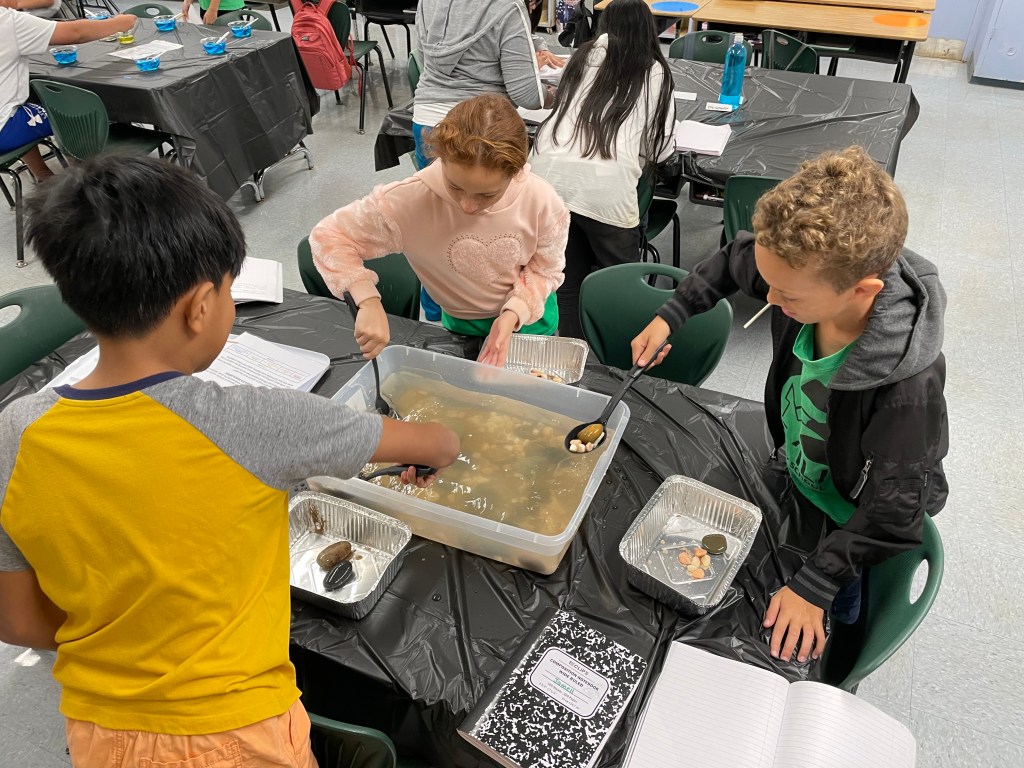
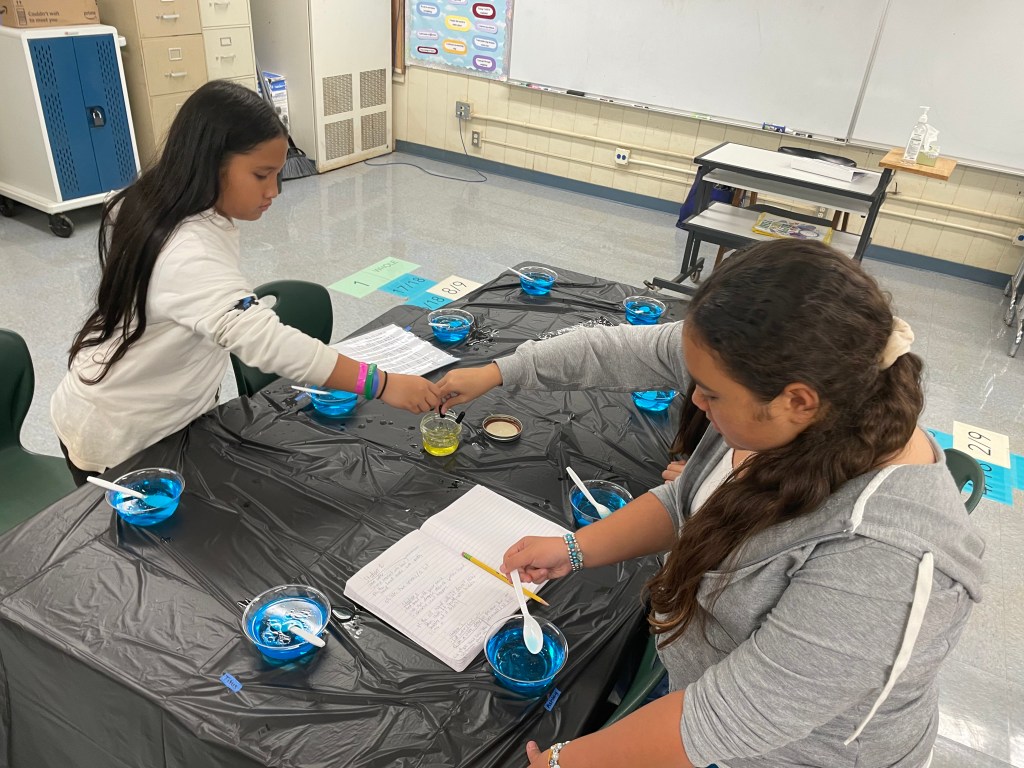
1 – Earth’s Water Distribution: Students modeled the percentage of saltwater and freshwater on Earth to better understand why protecting our limited freshwater resources is so important.
2 & 3 – Water Pollution Investigation: Students modeled how contaminants move through water and explored the challenges of cleaning polluted water supplies.
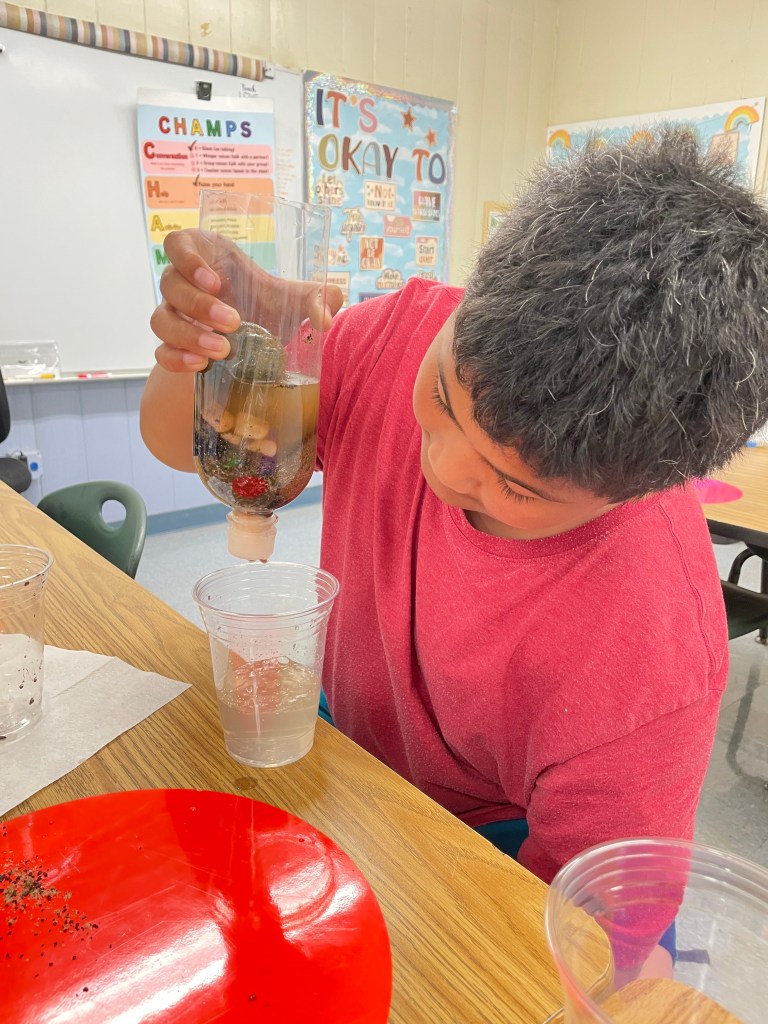
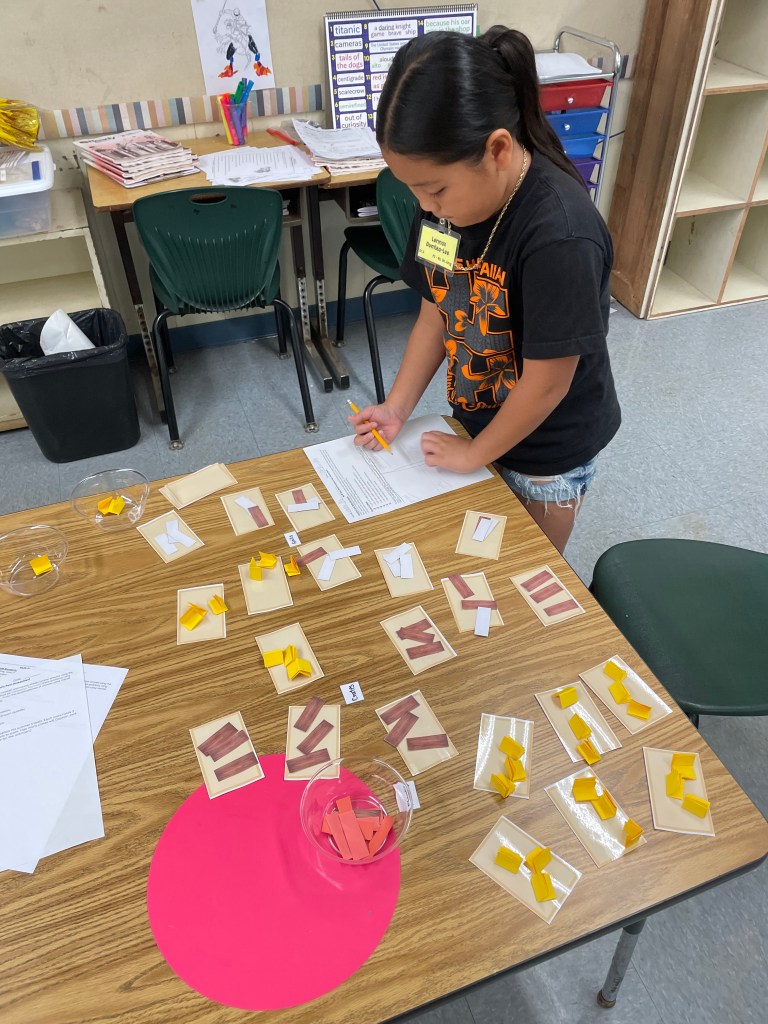
4 – Designing Water Filters: Students engineered their own water filtration systems using gravel, sand, charcoal, and cotton to investigate how different materials remove pollutants from water.
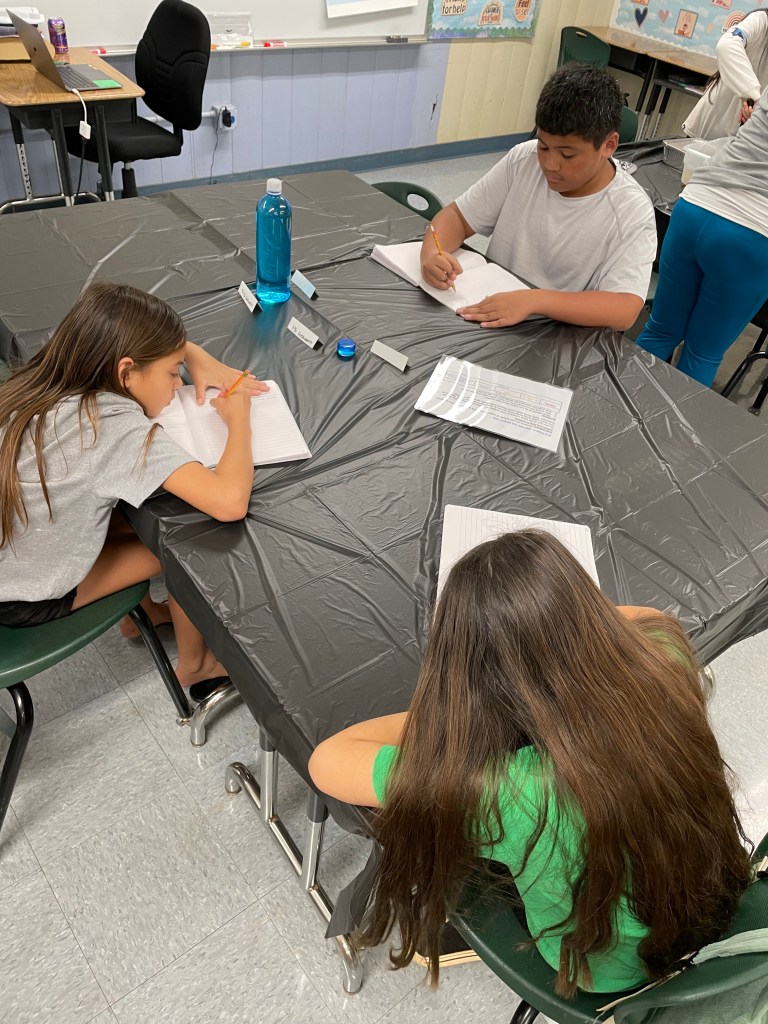
Interactive Mathematics
I believe mathematics should be something students experience, not simply complete. My classroom is filled with opportunities for students to manipulate materials, collaborate with classmates, move their bodies, and celebrate their learning. By creating interactive experiences, students build conceptual understanding while developing confidence, perseverance, and a positive relationship with mathematics.
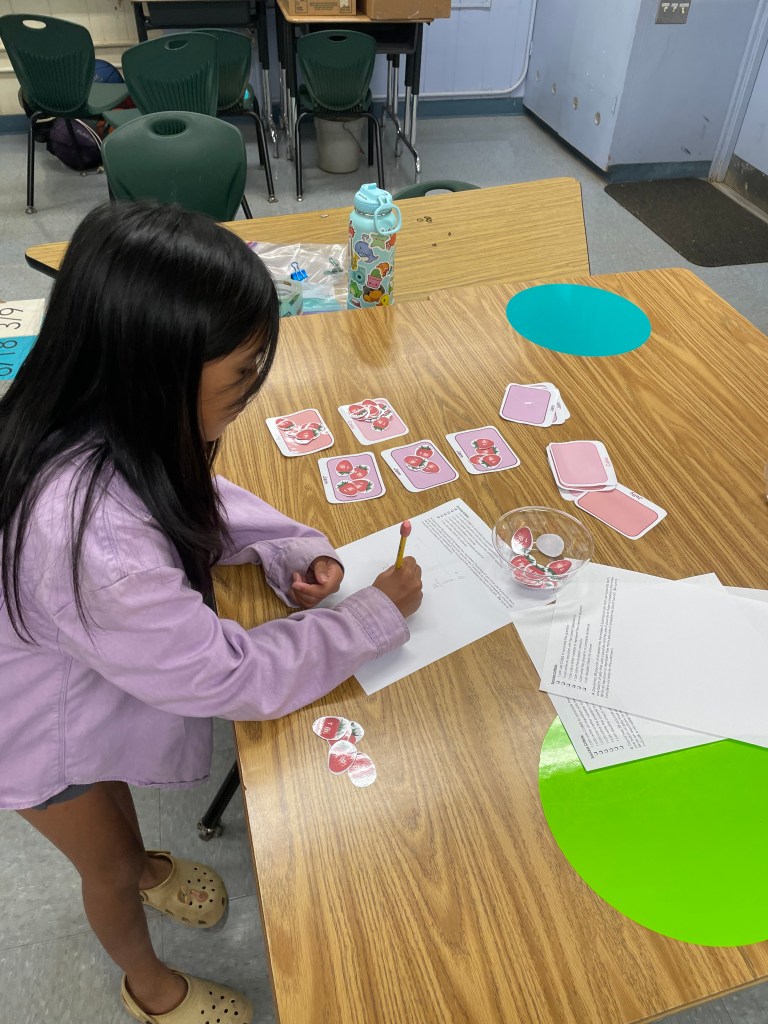
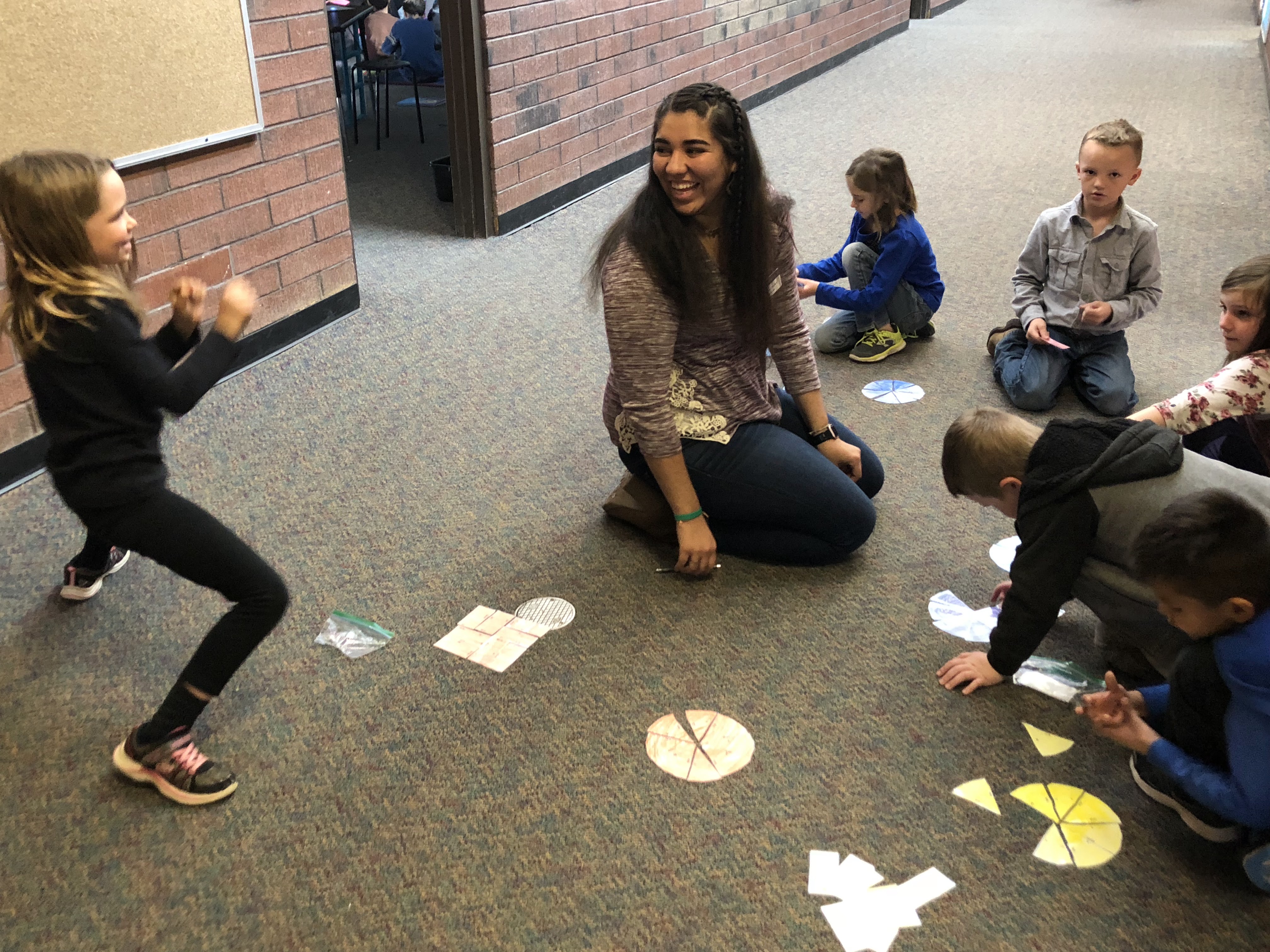
1 & 2 – Division with Manipulatives: Students use hands-on manipulatives to model division and make sense of equal groups before moving to abstract equations. These concrete experiences help students visualize mathematical thinking, explain their reasoning, and build a stronger conceptual foundation.
3 – Multiplication Through Games: Students strengthen multiplication fluency through interactive puzzles and collaborative games that make practice meaningful and fun. Watching students celebrate moments of success, like completing a challenging puzzle, reminds me that confidence grows when learning feels rewarding!
4 – Math in Motion: Movement is a powerful learning tool. During activities like Math Simon Says, students reinforce geometry vocabulary by physically demonstrating points, lines, rays, line segments, and angles. Getting students out of their seats keeps engagement high while making abstract concepts more memorable.
Learning Beyond the Classroom
One of my favorite parts of teaching is creating opportunities for students to experience learning firsthand. Whenever possible, I plan field trips that directly connect to our curriculum, allowing students to make meaningful connections between classroom lessons and the real world. These experiences encourage curiosity, collaboration, and hands-on learning while creating memories that last long after the unit is over.
Impression 5 Science Center
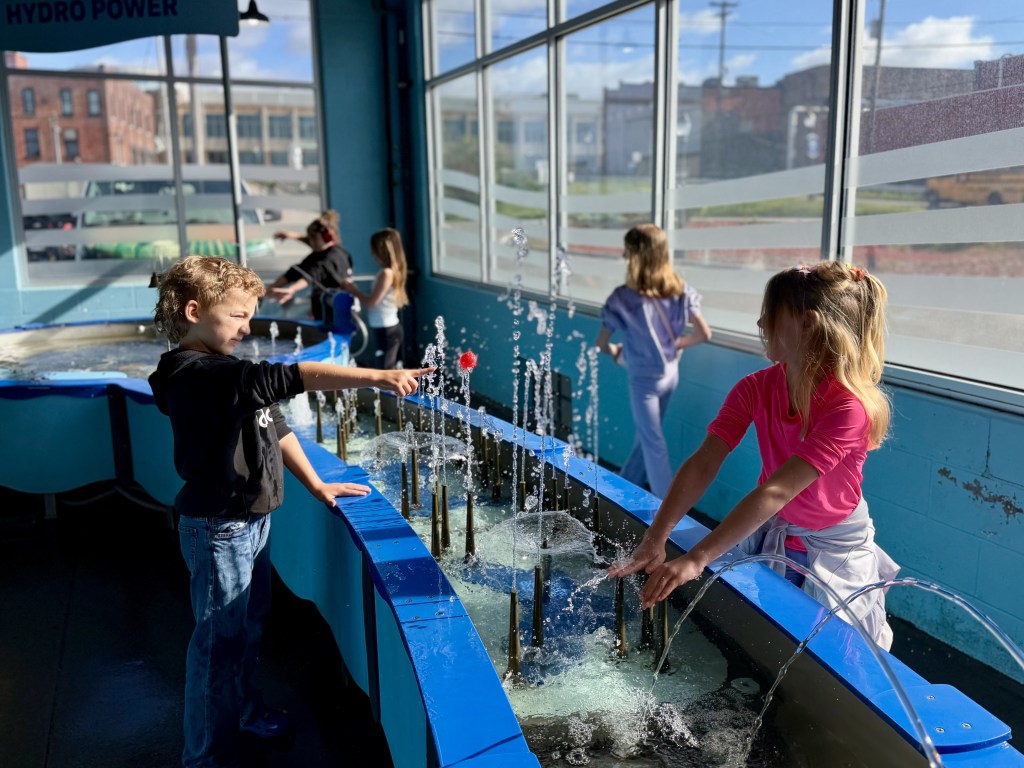
As part of our Force and Motion science unit, our class visited Impression 5 Science Center. Students explored interactive exhibits that reinforced concepts we had studied in the classroom while encouraging experimentation, questioning, and problem solving. Watching students test ideas, make predictions, and explain their thinking reminded me how powerful experiential learning can be.
Hawai’i Lo’i Patch
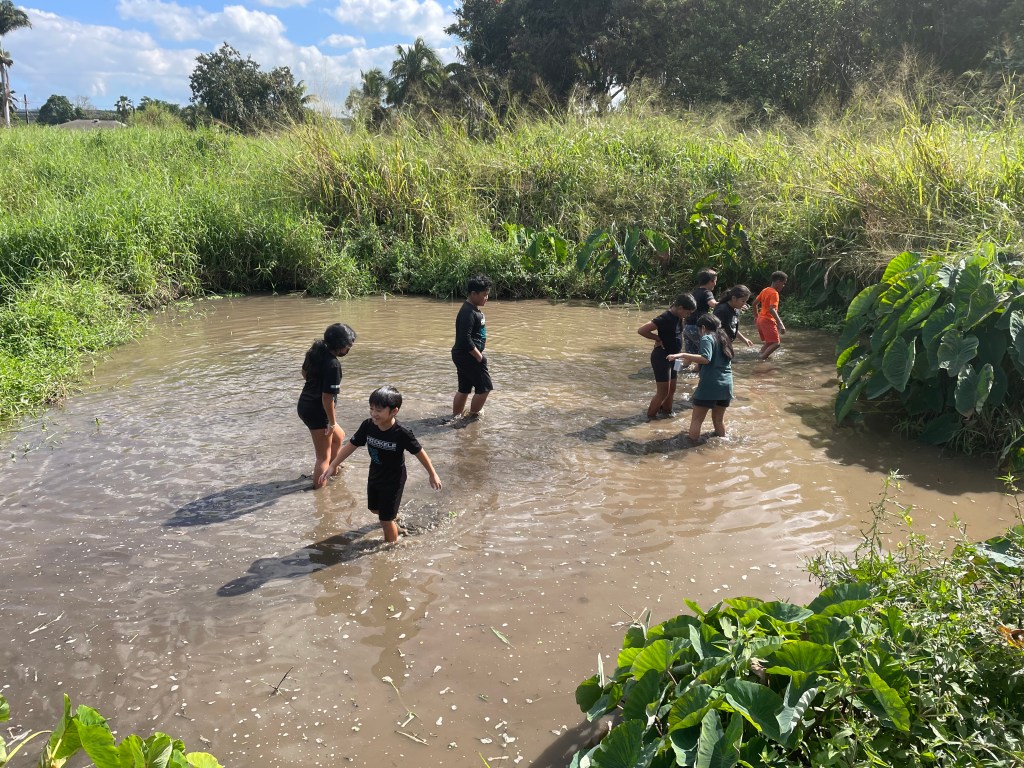
During our social studies unit, I organized a visit to a traditional Hawaiian loʻi (taro patch). Students learned about the cultural significance of taro in Hawaiian history, explored how a loʻi is maintained, and even had the opportunity to pound poi themselves. Rather than simply reading about Hawaiian culture, students were able to experience it through observation, participation, and conversation with community members.
Building a Classroom Community
Learning extends beyond the four walls of our classroom in other ways as well. I believe strong partnerships with families and community members enrich students’ experiences and create authentic learning opportunities. Whether welcoming guest speakers, inviting families to celebrate student work, or maintaining open communication throughout the year, I strive to build a classroom where everyone feels connected and invested in our students’ success.
Community Connections
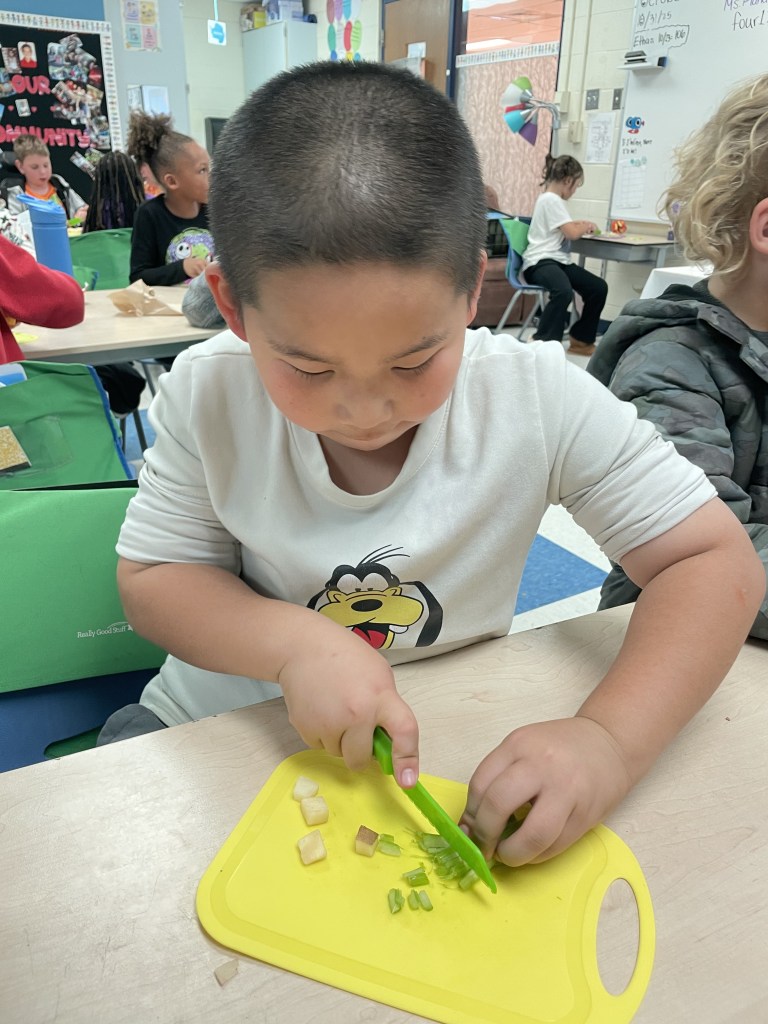
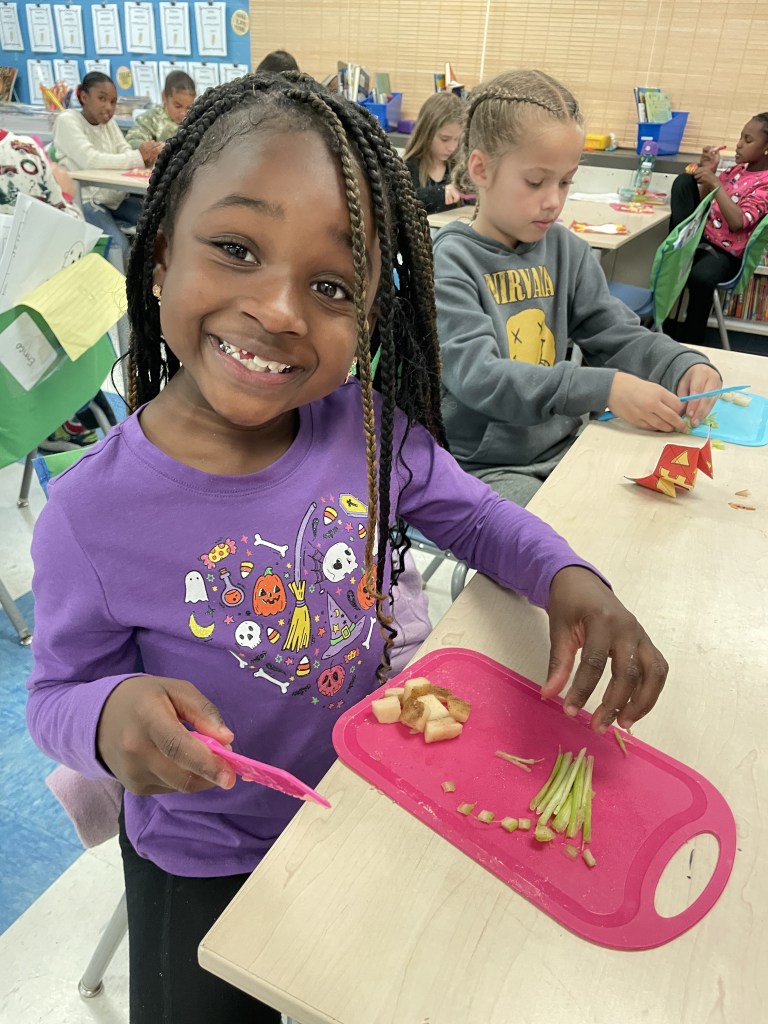
Inviting community members into our classroom helps students see meaningful connections between school and the world around them. From local experts sharing their knowledge to hands-on demonstrations, these experiences make learning authentic and memorable. One of my favorite visits was welcoming a chef into our classroom to teach students proper knife safety and vegetable preparation with child safe tools while connecting to our health and nutrition learning.
Celebrating Student Learning
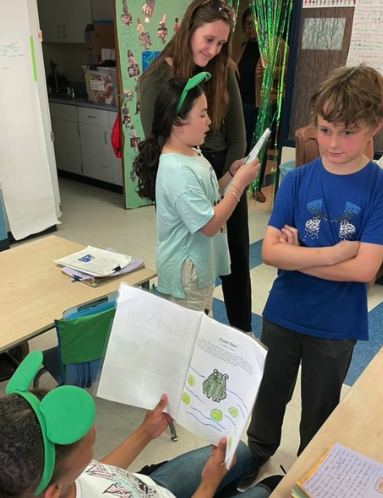
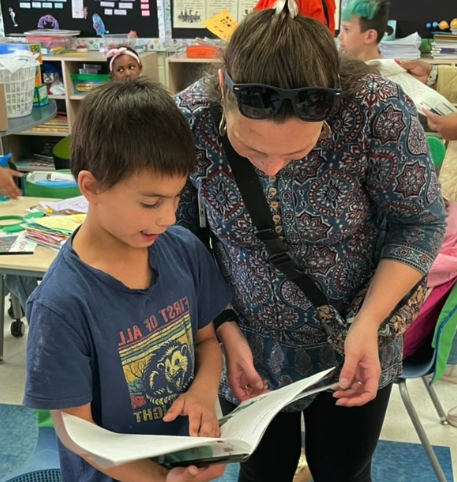
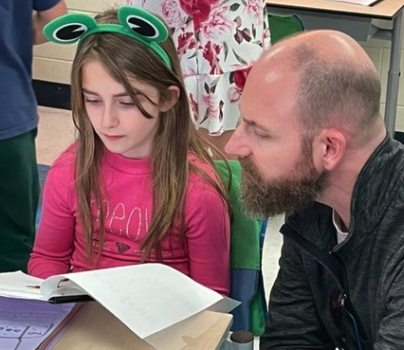
Some of the most meaningful moments happen when students have an authentic audience for their work. During our annual Freaky Frog Festival, families joined us to celebrate student writing, listen as students proudly shared their stories, and experience the joy of learning together. These celebrations help students recognize that their voices, creativity, and hard work matter.
Guest Speaker
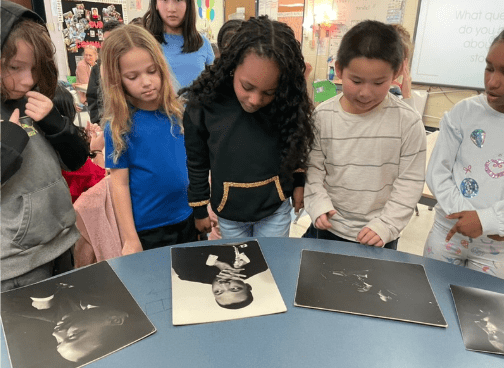
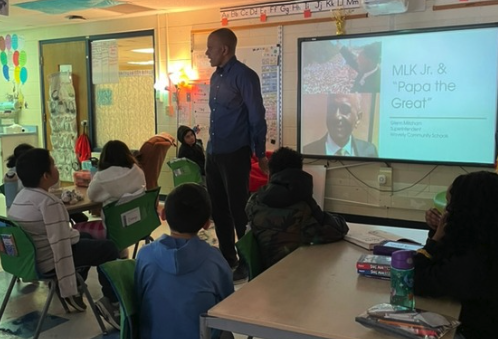
One of the highlights of our year was welcoming our district superintendent into our classroom to share a powerful piece of his family history. Students learned about his grandfather’s relationship with Dr. Martin Luther King Jr. and had the opportunity to see photographs he had personally taken during the Civil Rights Movement. Hearing these stories firsthand transformed history from something students read about into something deeply personal and memorable!
Saying Goodbye
One of the hardest parts of teaching is saying goodbye. After spending an entire year learning, laughing, growing, and overcoming challenges together, my students become much more than the names on my class list. They become a part of my story, just as I hope I become a small part of theirs.
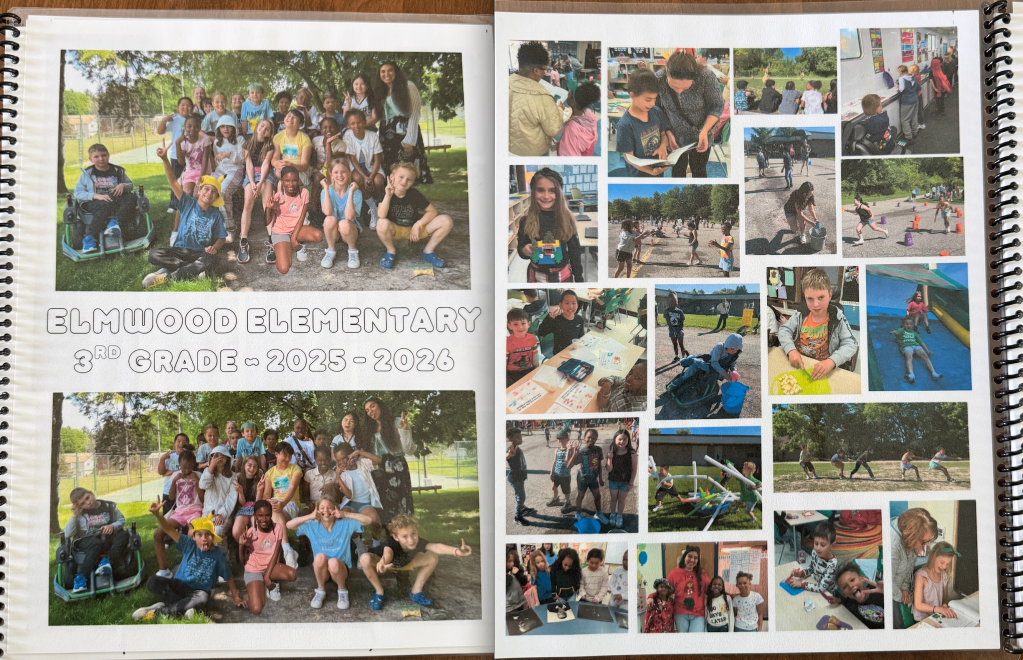
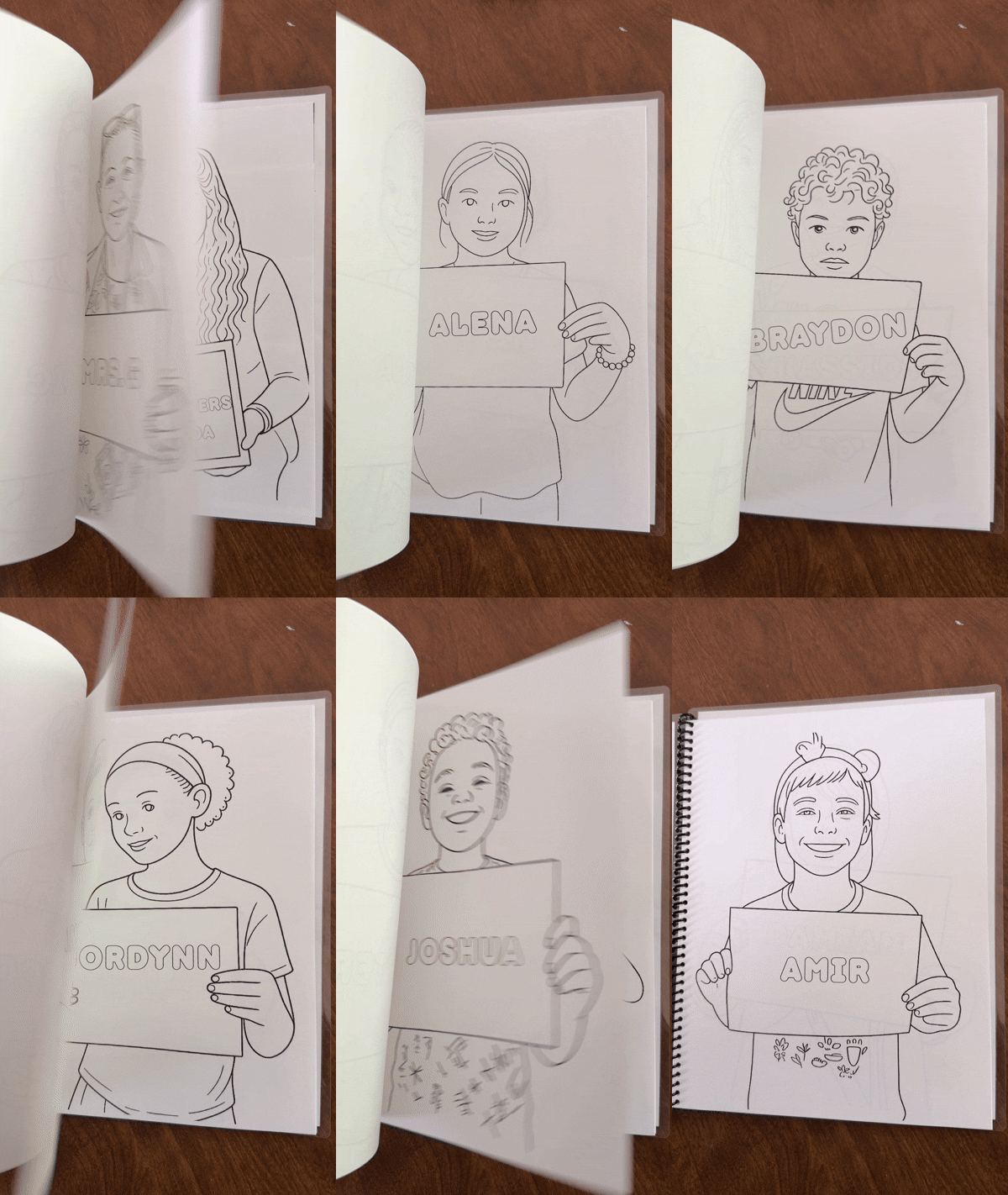
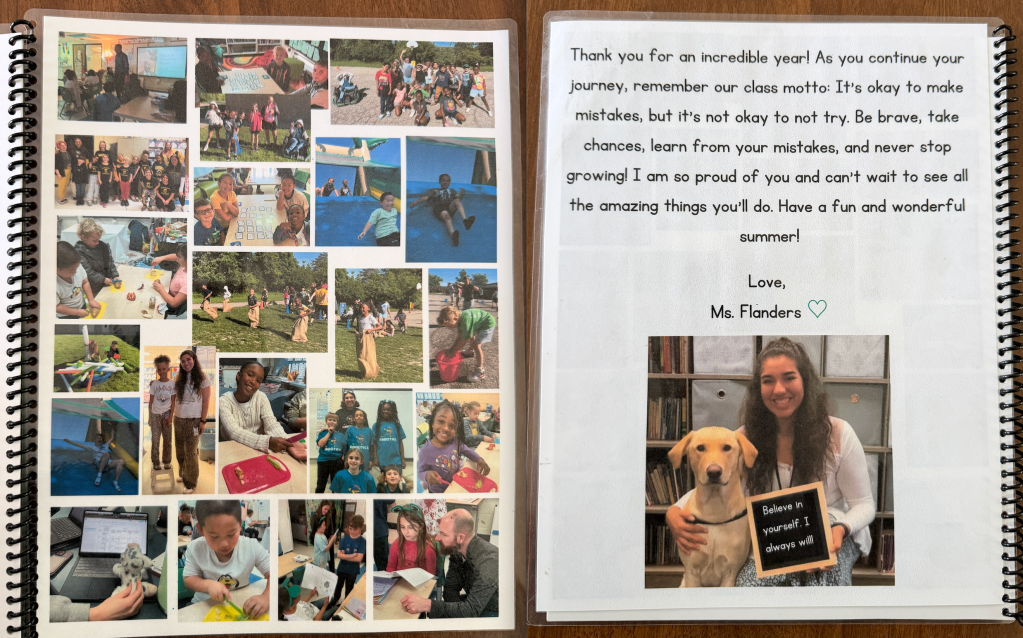
To celebrate the end of the year, each student receives a coloring book filled with memories from our time together. My hope is that this keepsakes remind them of how much they have grown and that they always have someone cheering them on. While they may leave my classroom in June, they will always have a place in my heart.