Alexis Flanders
Showcase
Throughout the Master of Arts in Educational Technology program (MAET), I had opportunities to think deeply, design intentionally, and create meaningful learning experiences. This showcase brings together artifacts that capture that journey and highlight the growth that occurred along the way.
I chose to organize my work into three categories: Reflecting, Designing, and Creating because they represent the process that has shaped my growth throughout the MAET program. Each artifact reflects a different stage of that journey, from examining my beliefs about teaching and learning, to designing meaningful learning experiences, to creating projects that challenged me to apply new skills and ideas. Collectively, these artifacts tell the story of my development as a learner, teacher, and designer.
Reflecting
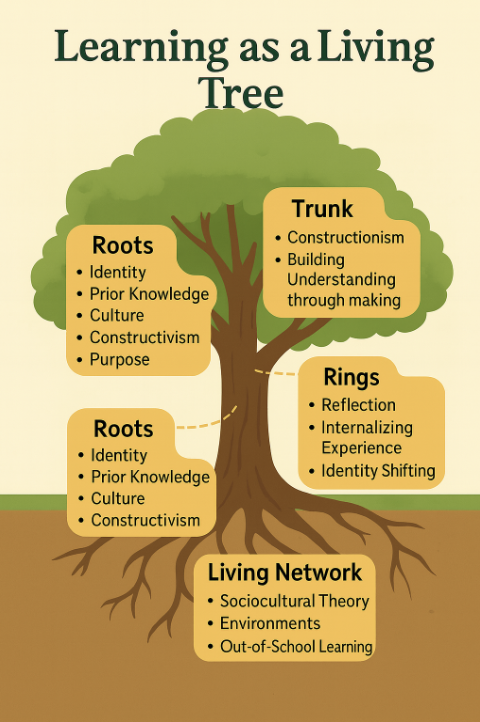
My Theory of Learning
The Living Tree was one of my earliest projects in the MAET program and challenged me to represent my personal theory of learning through a visual metaphor. Creating this artifact helped me connect educational theory to classroom practice while reflecting on the experiences that continue to shape my philosophy as an educator. It captures my ability to communicate complex ideas in thoughtful and creative ways.
Measurement Beyond the Tool
This reflection explores how my understanding of mathematics instruction evolved beyond teaching procedures toward creating meaningful learning experiences. Through examining the role of measurement in authentic contexts, I reconsidered what it means for students to develop mathematical understanding. It reflects my growth as a reflective practitioner who grounds instructional decisions in purpose rather than procedure.
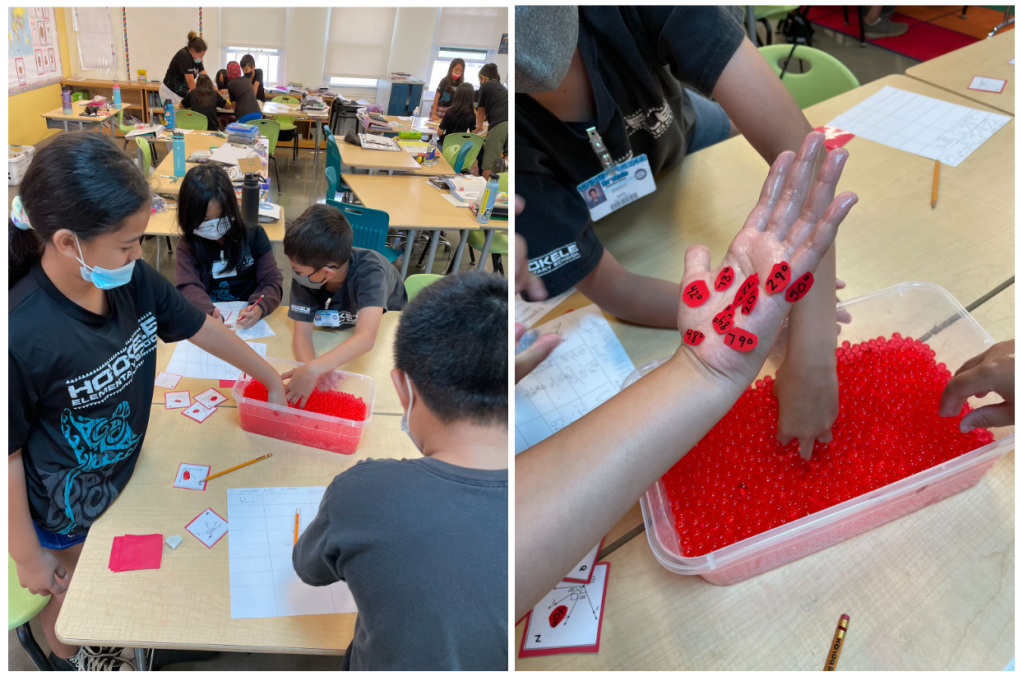
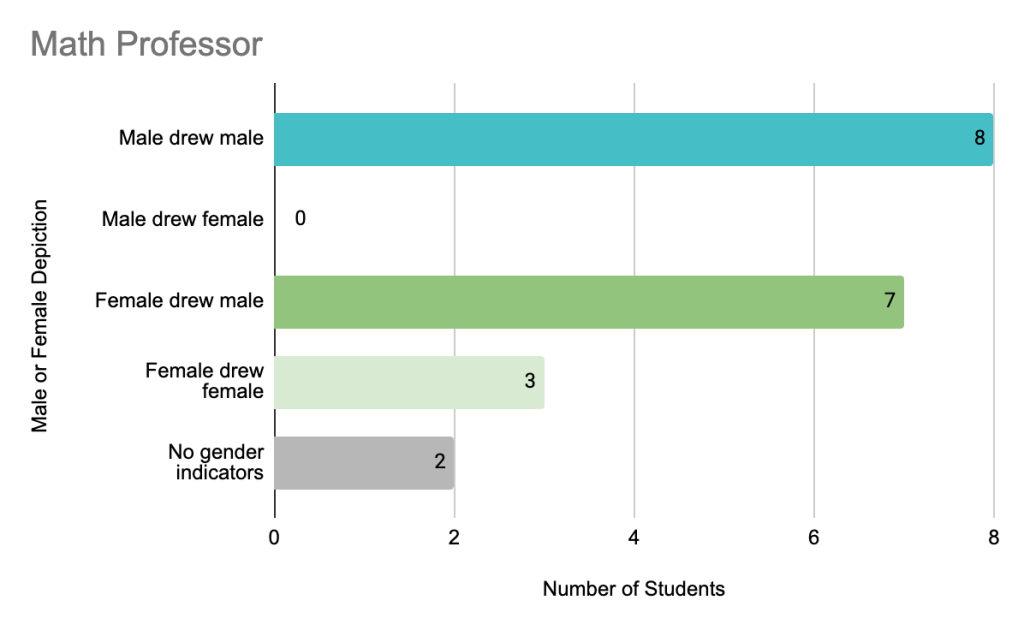
Who Gets to Be “Good at Math?”
This reflection examines the beliefs and assumptions that shape students’ mathematical identities. It challenged me to consider how classroom experiences, language, and instructional choices influence who sees themselves as “good at math.” This artifact highlights my commitment to equitable instruction and my ability to critically examine how teaching practices impact student confidence and belonging.
Designing
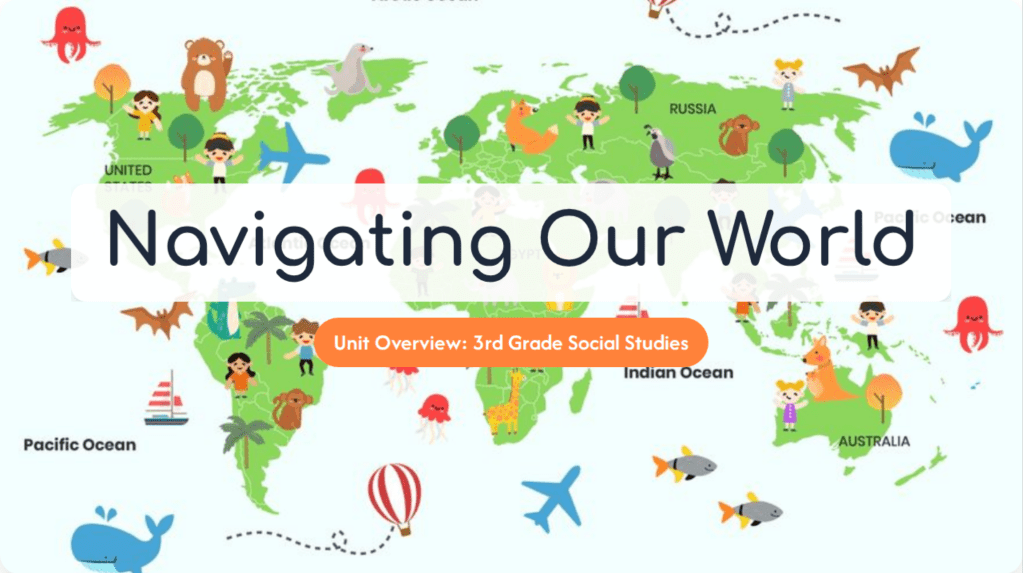
Navigating Our World
This interdisciplinary unit integrates computational thinking with geography, problem-solving, and collaboration. Designing the unit challenged me to intentionally connect multiple content areas while creating engaging learning experiences rooted in authentic problem solving. It reflects my ability to design meaningful, standards-aligned instruction that encourages both creativity and critical thinking.
Making My Thinking Visible
This sketchnote video challenged me to communicate my thinking through a combination of visuals, keywords, and narration while reflecting on the role of questioning in the creative process. Planning the lightboard required careful organization, concise communication, and thoughtful multimedia design. The finished product demonstrates my ability to make complex ideas accessible through engaging digital media.
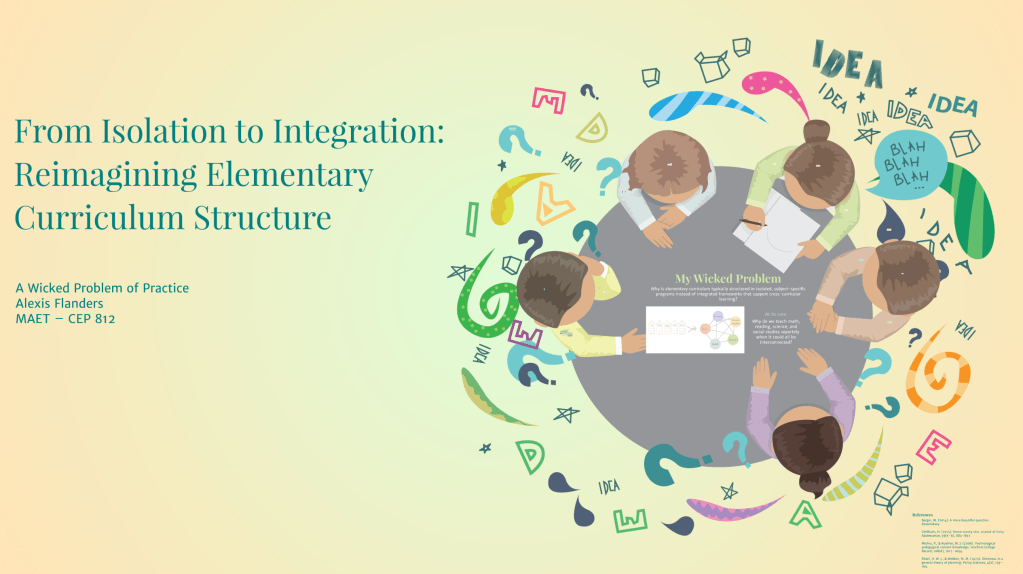
From Isolation to Integration
The Wicked Problem project challenged me to investigate a complex issue in education and develop thoughtful, research-informed solutions. It strengthened my ability to examine problems from multiple perspectives while balancing research with the practical realities of classroom implementation. This artifact reflects my approach to instructional design: thoughtful, collaborative, and grounded in improving learning for students.
Creating
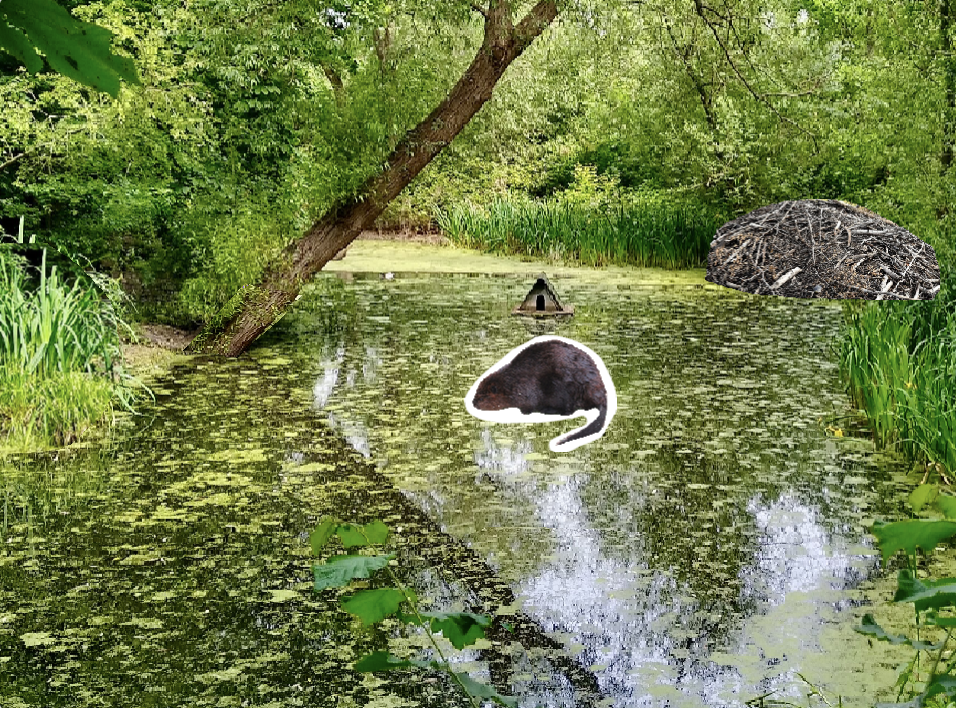
Beaver Scratch Project
This Scratch project challenged me to create an interactive animation using sequencing, events, loops, and user input. Throughout the design process, I refined both the technical components and the overall user experience through testing and iteration. It reflects my growing confidence with block-based programming while demonstrating my ability to learn new technologies through experimentation and persistence.
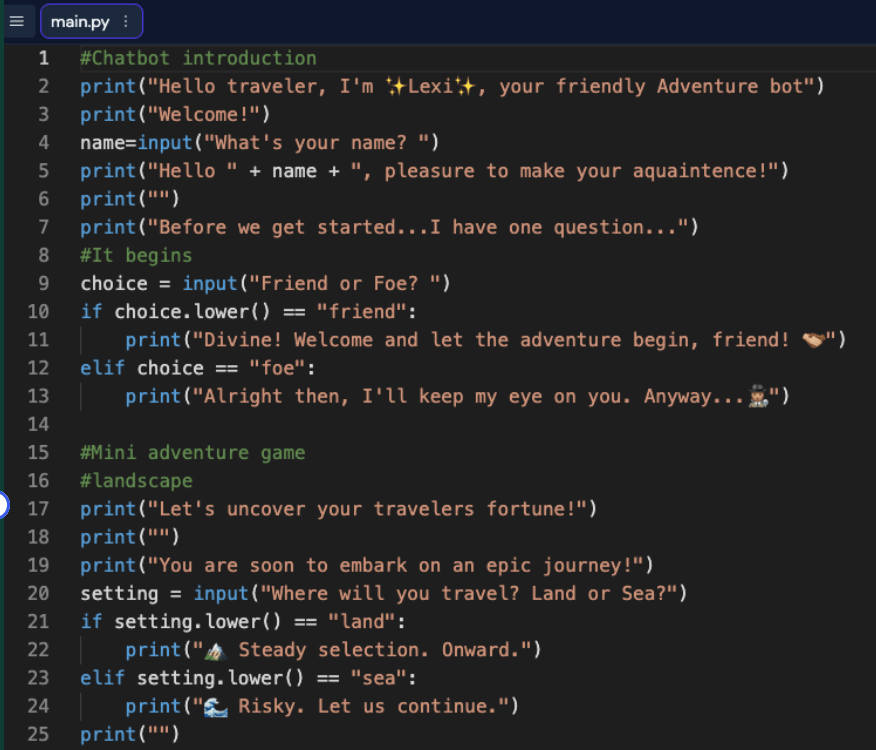
Learning Python Through Use, Modify, Create
The Lexi Adventure Bot is an interactive text-based game that allows users to make choices as they navigate an adventure. Building the project required me to think logically about branching pathways, user interaction, and efficient program structure. This artifact highlights my developing fluency with Python while demonstrating how creativity and computational thinking can work together to create engaging experiences.
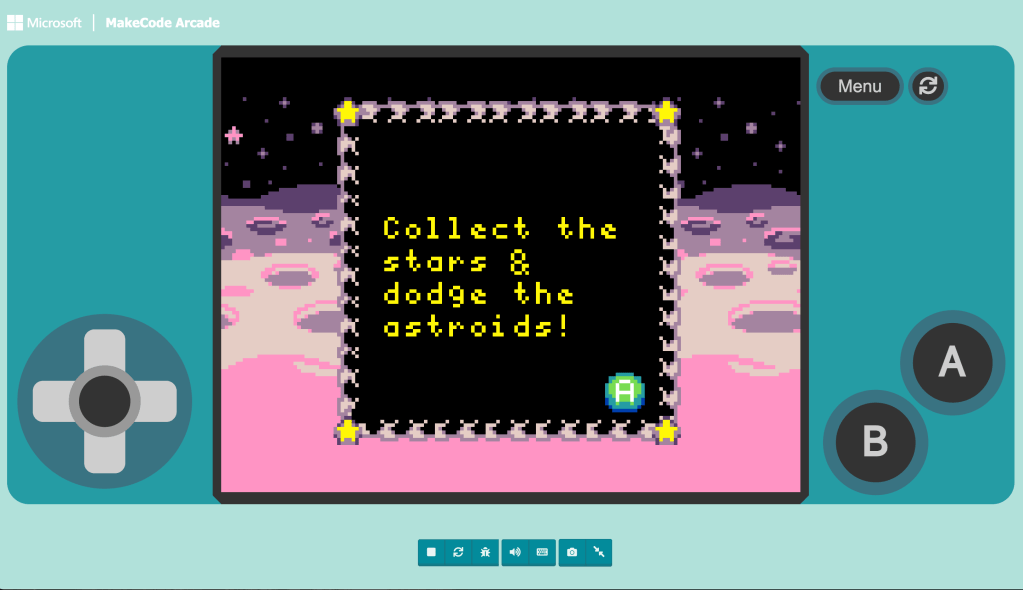
Jedi, Debugging, and the Reality of Automation
This interactive game challenged me to apply computational thinking through programming, debugging, and iterative design. As I built the game, I learned to decompose complex problems, recognize patterns, test assumptions, and refine my code through careful observation. More than a finished game, this artifact reflects my persistence as a problem solver and my growing confidence in learning unfamiliar technologies.
Looking across these artifacts, I see more than completed assignments. I see the evolution of my thinking, my instructional design, and my confidence in creating meaningful learning experiences. Together, these projects reflect my commitment to curiosity, creativity, and purposeful technology integration. While each artifact captures a different moment in my MAET journey, collectively they represent the educator I have become and the one I continue striving to be. 🤍

