One of the biggest ideas I have explored in CEP 833 is that coding does not have to be taught as an isolated subject. Instead, it can become a creative tool for helping students communicate ideas, solve problems, and tell their stories. This project challenged me to design a complete learning experience around that philosophy.
Inspired by Papert’s constructionism and the Use-Modify-Create learning trajectory, I created a five-day 3rd grade unit called Code Your Story, where students use Python in Pickcode to build interactive branching stories.Rather than beginning with a blank screen, students first use an existing program, then modify it to make it their own, and finally create an original interactive story. This gradual release helps lower the barrier to programming while still giving students meaningful opportunities for creativity.
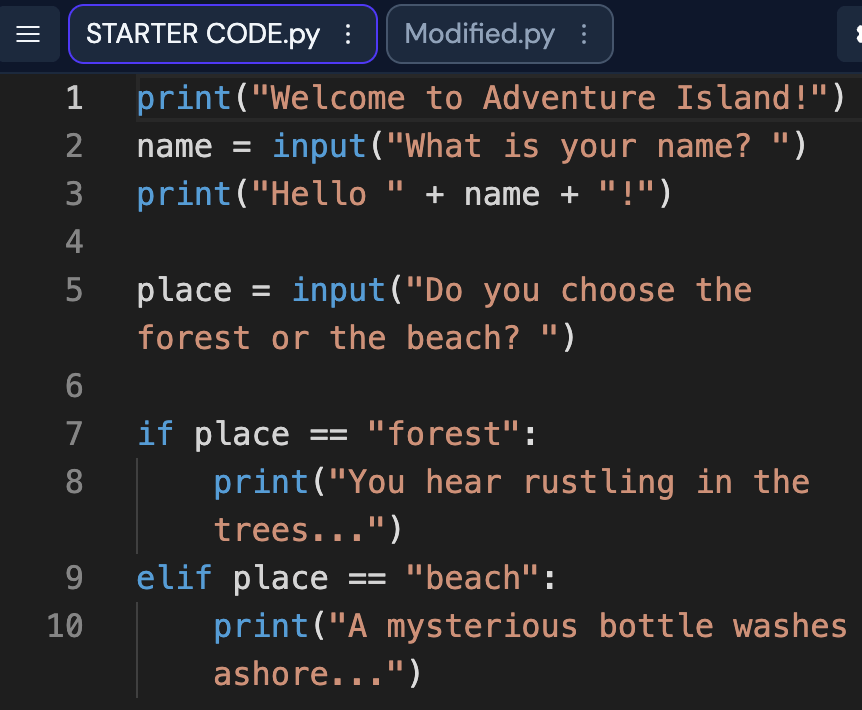
One realization I kept returning to throughout this project was that computer science should feel more like writing than completing a worksheet. Students are not simply learning syntax. They are making choices, expressing their ideas, debugging problems, and creating something that reflects their imagination, identity, or community. This perspective was echoed in the course readings and reinforced my belief that technology is most meaningful when students are creators.
Designing this unit also pushed me to think carefully about developmental appropriateness. While I found Python far more approachable in Pickcode than I had expected, I also recognized that many 3rd graders would need significant scaffolding. Building the unit around the Use-Modify-Create model allowed me to maintain high expectations while providing enough structure for students to experience success. Instead of expecting every learner to write code from scratch, students gradually develop confidence by first exploring and adapting existing programs before creating their own.

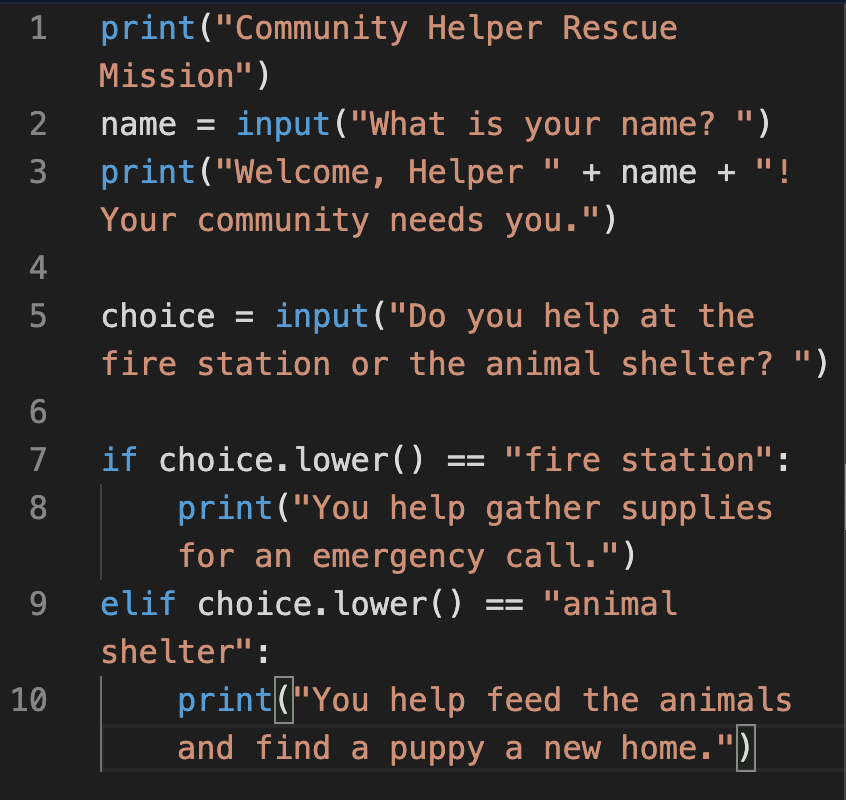
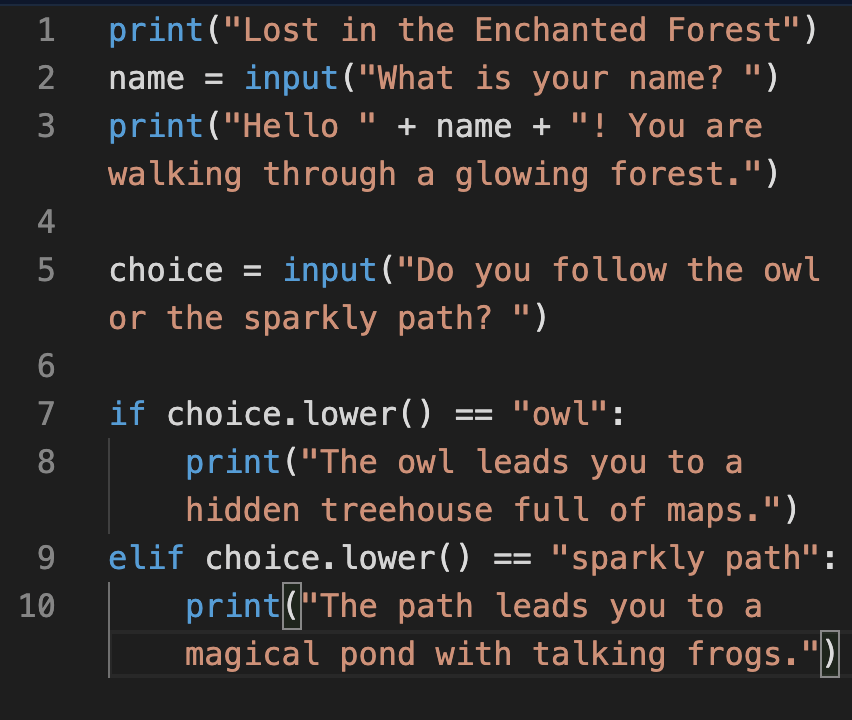

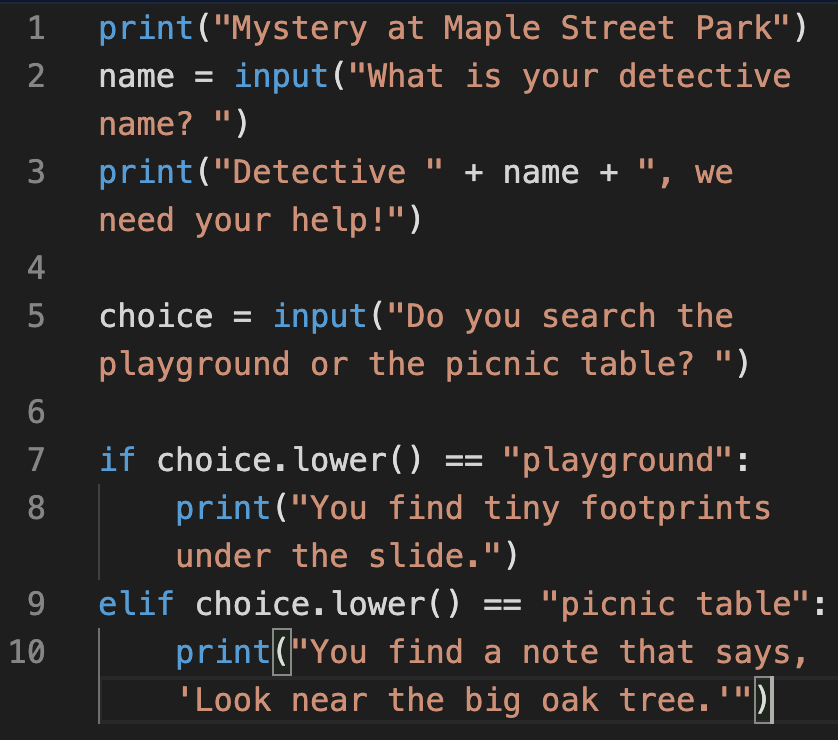

Figure 2-7: Examples of potential student creations.
Looking back, this project represents an important shift in my thinking as an educator. Rather than asking, “How can I teach coding?” I began asking, “How can coding help students tell meaningful stories?” That question continues to shape how I think about integrating computer science into my elementary classroom.


Leave a Reply